.png&w=1280&q=75)
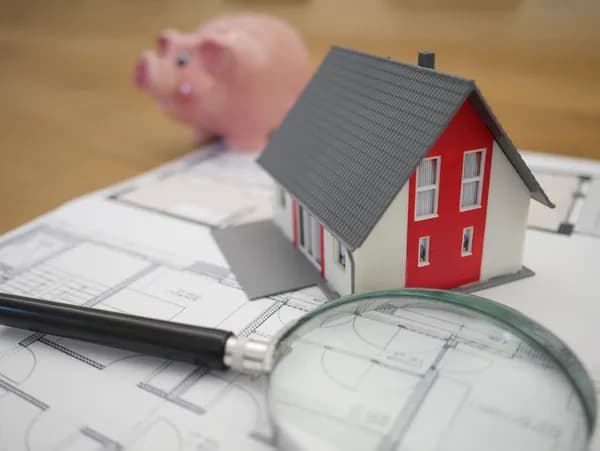
Understanding whether to buy a house in 2026 is more important than ever. The traditional view of homeownership as the ultimate symbol of stability and wealth is being questioned amid rising home prices and stagnant wages. Many young adults, especially millennials and Gen Z, are reconsidering this historic milestone due to financial pressures and shifting priorities. Should You Still Buy a House in 2026? This question challenges long-held beliefs about the American dream and financial security.
Current insights reveal a major trend toward renting and investing in income-generating assets rather than tying up wealth in homes. In this article, you'll explore how homeownership compares with alternative investments, what real costs to expect, and how to make informed decisions tailored to your financial goals and lifestyle.
Did You Know?
In 2026, nearly 40% of millennials believe renting offers better financial flexibility than buying a home, reflecting a major shift in traditional views on homeownership.
Source: National Association of Realtors, 2026
The Changing Landscape of Homeownership
Homeownership in the United States has undergone significant shifts in recent years, shaped by economic pressures and evolving societal views. Traditionally, owning a home was seen as a key path to financial security and social status. However, rising home prices combined with stagnant wages have challenged this notion, especially for younger generations like millennials and Gen Z. For many, buying a house is increasingly less affordable and less likely to build long-term wealth compared to alternative investments.
The homeownership rate has been steadily declining, dropping from around 65.5% in 2022 to an estimated 60.8% in 2026. This trend reflects broader changes in housing market dynamics and affordability issues. Government policies and mortgage lending practices have historically encouraged home buying, framing it as an essential element of the American dream. Yet, this vision often overlooks how many buyers become asset-rich but cash-poor, tied up in home equity but struggling with liquidity.
Investors and wealth experts now emphasize income-generating assets more highly than home equity. Studies and market data show that investments in stocks, rental properties with positive cash flow, or ownership in businesses frequently outperform the long-term returns from primary homeownership. A home may provide a psychological sense of stability, but it does not guarantee true financial growth and liquidity.
<!-- No content to display as all graphs have been removed -->
Millennials and Gen Z, facing stagnant income growth and soaring housing costs, are redefining what homeownership means for them. Some are opting to rent longer, invest in the stock market, or start small businesses instead. These choices reflect a growing awareness that homeownership alone is not the only—or even the best—route to wealth accumulation.
Key Changes in Homeownership
Shift in Perceived Value
Homeownership's traditional image as a secure investment is challenged by rising costs and economic realities.
Generational Impact
Millennials and Gen Z face higher barriers due to stagnant wages and unsustainable price growth.
Wealth Accumulation Changes
New patterns show investing in income-generating assets often outperforms home equity gains.
Market Dynamics
Policy and market changes influence access and affordability, reshaping buyer strategies.
Given these changes, the question arises: Should You Still Buy a House in 2026? The answer depends heavily on your financial goals, lifestyle, and market conditions. As the landscape evolves, many are reconsidering whether the traditional path of homeownership remains the best investment or if alternative approaches could yield better financial security.
The Real Cost of Homeownership
In today's economic landscape, stagnant wages paired with rising home prices create a challenging environment for prospective buyers. While the median home price has surged to roughly $350,000, average annual wage growth lingers around 2%. This growing disparity makes affording a home increasingly difficult, especially for younger generations. Many find themselves "asset-rich but cash-poor," owning valuable equity on paper but struggling with monthly mortgage payments and other expenses.
Unlike traditional belief, owning a home doesn’t necessarily translate to financial security or wealth accumulation. The cost of homeownership extends beyond just the purchase price; ongoing expenses such as property taxes, maintenance, insurance, and sometimes HOA fees can severely constrain liquidity. In contrast, investments like stocks have historically returned about 7% annually, significantly outpacing typical home equity gains. Rental income yields, averaging approximately 0.7% annually, also reflect modest returns relative to invested capital.
High home prices limit the ability to allocate funds toward more liquid or higher-yielding assets. Wealthier individuals often prefer investments that generate steady cash flow or compound wealth in ways that a single-family home rarely matches. The financial implications suggest homeownership can sometimes lock up capital that might otherwise fuel growth through equities or business ventures.
Understanding this dynamic is crucial for evaluating whether buying a house in 2026 aligns with your long-term financial goals. The purchase may build asset value but can also reduce monthly cash flow, creating a complex trade-off between stability, liquidity, and growth potential.
Understanding Homeownership Costs
Navigating stagnant wages and rising home prices is crucial. Many homeowners become asset-rich but cash-poor, highlighting the financial strain hidden behind homeownership.
- ✓ Stagnant wages vs. rising home prices
- ✓ Asset-rich but cash-poor dilemma
- ✓ Long-term financial implications
